Roller Skating for Grown Women: A Beginner's Guide to Rolling Again
At some point between childhood and career, most of us handed in our skates — and with them, the last workout that ever felt like pure joy. Roller skating is having a massive comeback among grown women, and not just for the aesthetic: an hour of easy skating burns serious calories, builds glutes and balance, and floods you with the kind of giddiness treadmills have never once produced. Time to lace up again.
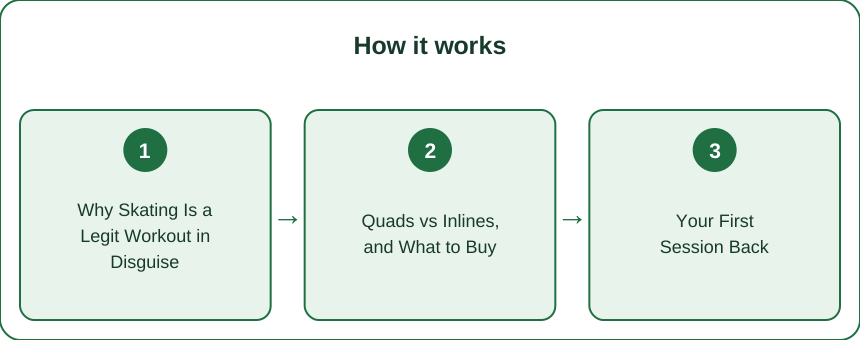
Why Skating Is a Legit Workout in Disguise
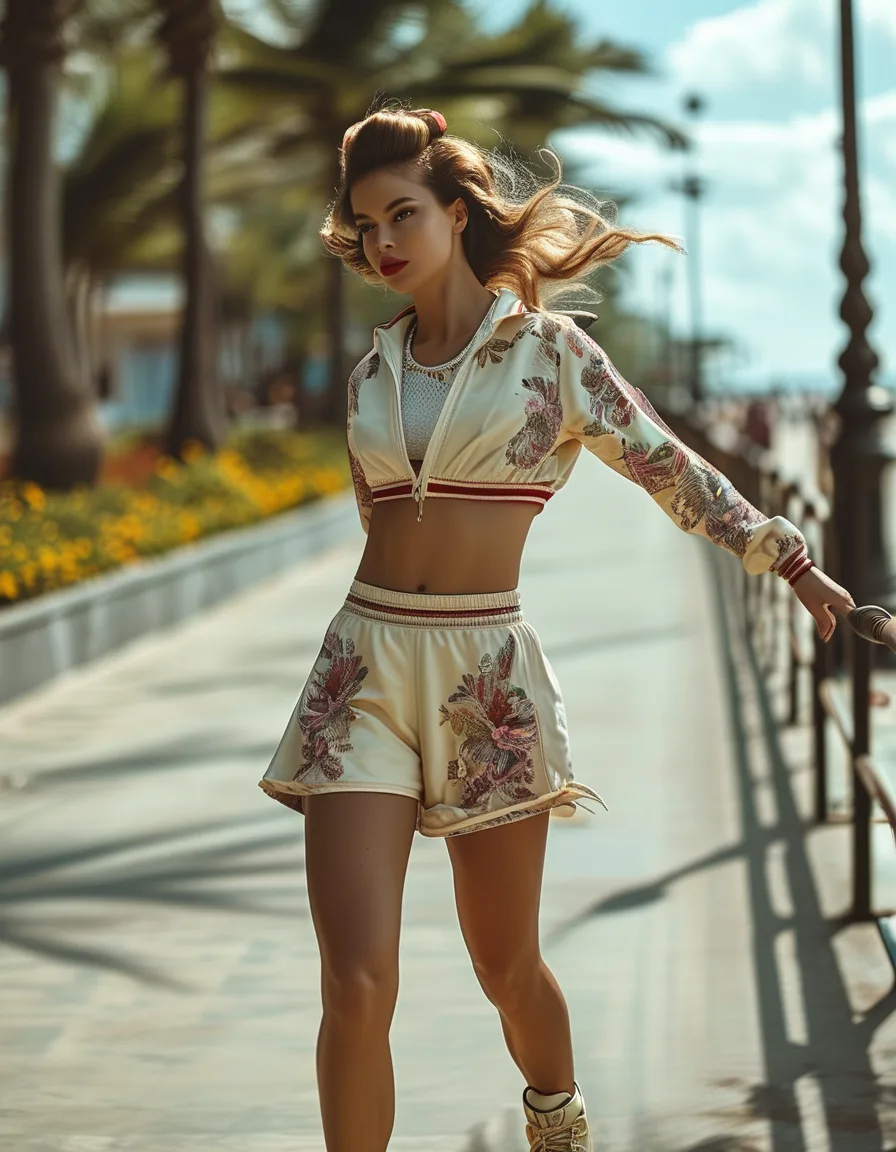
Skating is a masterclass in muscles you forgot: every stride works glutes, outer hips and thighs, while your core runs constant micro-corrections to keep you upright — a balance workout hiding inside a cardio one. An easy hour burns roughly 300–500 calories with impact levels far below running. Best of all is the psychology: because it feels like play, you stay out longer, go more often, and never once check the clock. Consistency does the rest.
Quads vs Inlines, and What to Buy
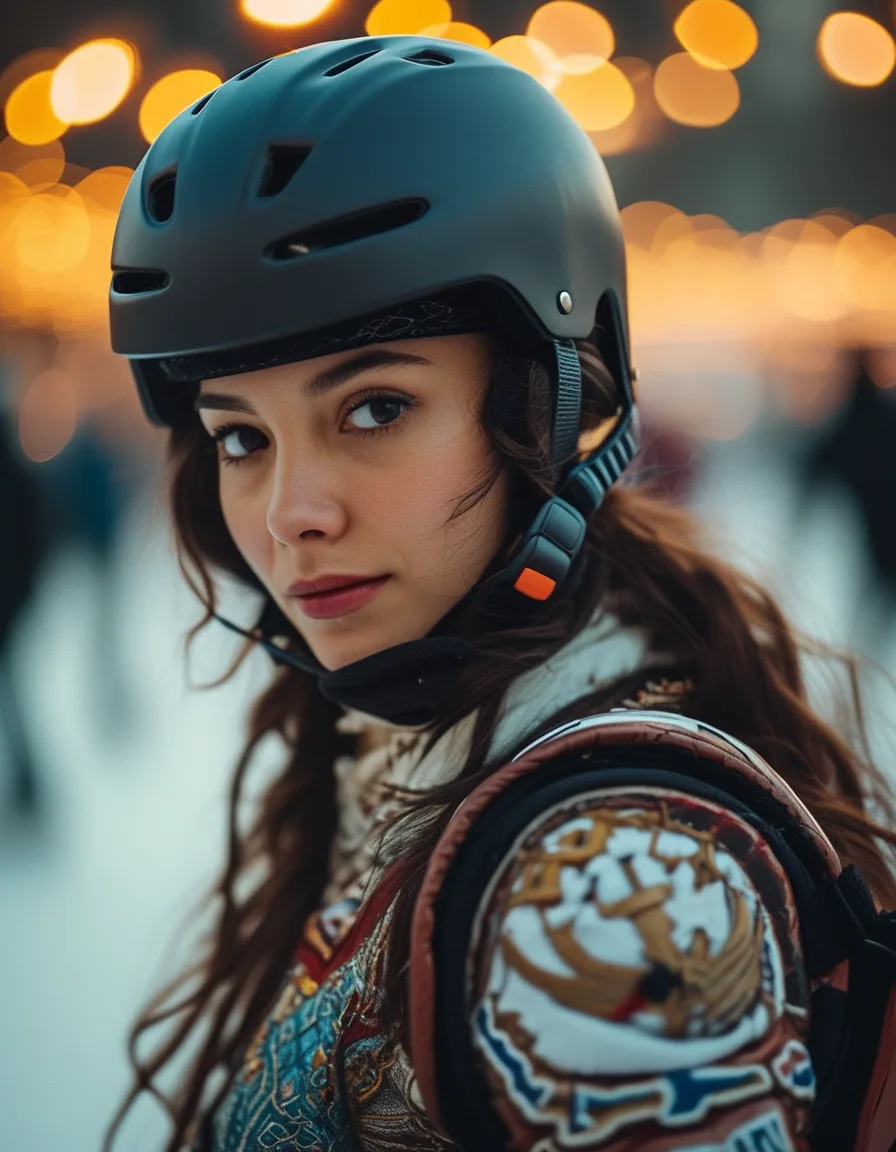
Quads (four wheels, two-by-two) are the retro ones — more stable side to side, happiest at rinks and smooth paths, and the usual choice for beginner women. Inlines roll faster and handle rough pavement better. Either way, buy actual skates ($80–150), not toy-store versions: look for a snug heel, firm ankle support and outdoor wheels (softer, labeled 78A–85A) if you will skate outside. And helmet plus wrist guards, non-negotiable — wrists take the beginner falls.
Your First Session Back
Find smooth, flat, quiet pavement — an empty tennis court or parking garage level is perfect. Start on grass beside it just to stand and march in the skates. Then: skate stance (knees bent, hands forward, chin up), small duck-footed marches, then let yourself roll. Practice the lemon — both feet trace outward half-circles — before real strides. Twenty minutes of this and the ancient muscle memory starts reporting for duty. It genuinely does come back.
Falling Is a Skill (Learn It on Purpose)
The fear of falling is what keeps grown women off skates, so defuse it directly: practice falling. On grass, in your gear, lower yourself small and take a soft sideways tumble onto padded hip and forearm — never straight back, never catching with straight arms. Knowing you can fall and laugh removes the stiffness that ironically causes most falls. Bend your knees deeper whenever you feel wobbly; low and loose is the whole secret of skating.
From Wobble to Flow
Session three or four, something clicks: strides lengthen, turns smooth out, and you stop thinking about your feet — the flow state skaters chase forever. Extend it: learn to stop properly (toe stop drag or plow stop), add gentle crossovers, find a skate path or an adult night at the rink. Skate communities are famously welcoming to returning women, full of thirty- and forty-somethings rediscovering exactly what you are. The playlist matters. The golden hour matters more.
Somewhere in you is a kid who could skate for three hours and call it a normal Tuesday. She is still there, and her glutes are about to thank you. Get real skates, real wrist guards and an empty parking lot this weekend. Wobble, lemon, glide — in that order. By August you will be the woman on the beach path everyone else watches and quietly decides to become.
Keep Reading
This article is for general informational and styling purposes only. Fit, sizing, and product availability may vary.