Gear Before Glory: The Protective Equipment That Keeps Skaters Skating
Skating’s injury chart has a clear headline: wrists take the beginner falls — which makes the gear hierarchy non-negotiable and specific. The padded skater skates braver, learns faster and stays in the hobby; the bare-wristed optimist donates a season to a sprain. Gear up; glory after.
The Hierarchy
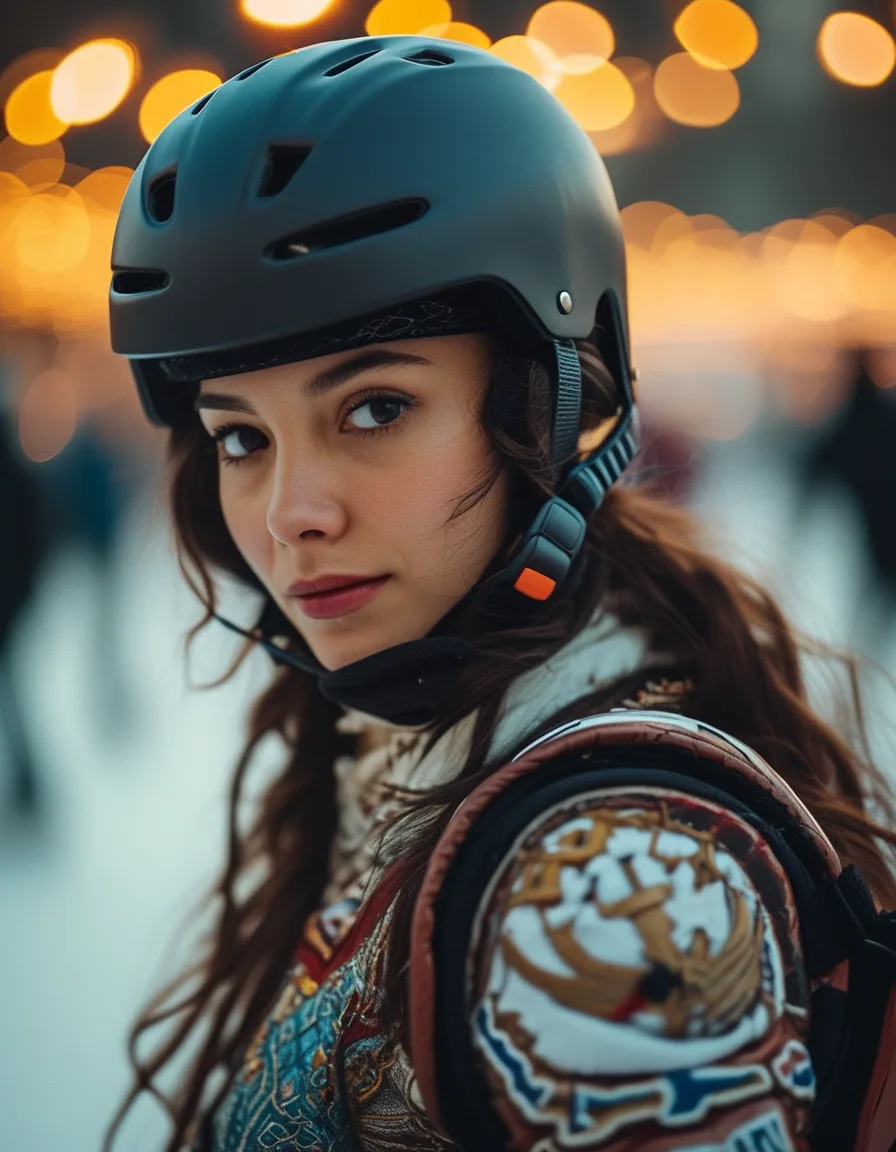
Priority order: wrist guards (the instinct is to catch falls with hands — guards turn sprains into slides), helmet (non-negotiable, certified, skate-or-multi-sport rated), knee pads (the confident-kneel fall the falling guide teaches NEEDS them), elbow pads as the fourth. The full set costs less than one urgent-care copay.
The Fit Checks
Guards snug enough not to rotate on impact, helmet level (not tilted back — the forehead is a client too) with the two-finger eyebrow gap, pads that survive a squat without migrating. Gear that shifts mid-fall protects the wrong postal code.

The Confidence Dividend
The underrated effect: padded skaters TRY things — the practiced fall, the new move, the slope — because the cost of failure dropped. Gear is not caution; it is the license for ambition. The learn-faster effect is real and every rink instructor confirms it.

The Culture Note
Adult skate culture settled the debate: pads are standard at every level (the pros wear more gear, not less), and the no-pads aesthetic is a beginner tax nobody collects twice. The kit lives IN the skate bag — worn every session, because the fall that matters never books an appointment.
Wrists first, helmet level, pads that stay put, kit in the bag. The gear was never the timid option — it was the tuition discount on every skill the hobby plans to teach you.
Keep Reading
This article is for general informational and styling purposes only. Fit, sizing, and product availability may vary.