Why Learning to Stop Confidently Should Come Before Learning to Skate Faster
The fun part of roller skating is picking up speed, and most beginners chase that feeling first, but the majority of beginner falls don’t happen while skating forward at all — they happen during an attempted stop, which means building speed before stopping is solid just raises the stakes of the one skill that isn’t ready yet.

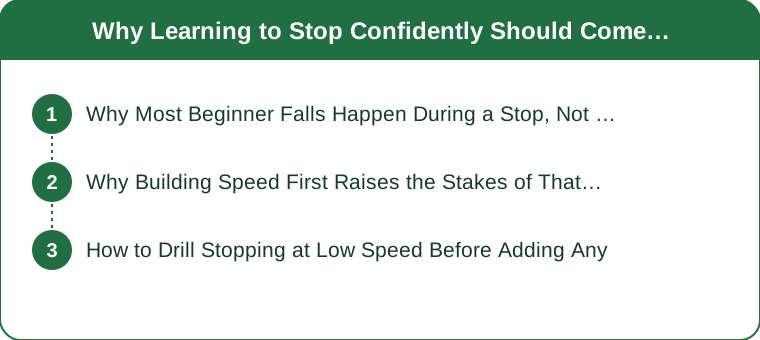
Why Most Beginner Falls Happen During a Stop, Not While Skating
The pattern: the-majority-of-beginner-roller-skating-falls-occur-during-an-attempted-stop-or-sudden-obstacle-avoidance-rather-than-during-steady-forward-skating-itself (the majority of beginner roller skating falls occurring specifically during an attempted stop or a sudden obstacle avoidance, rather than during steady, ongoing forward skating itself, per the roller-skating-stopping-and-falling-guide logic — the-majority-of-beginner-roller-skating-falls-occurring-specifically-during-an-attempted-stop-or-a-sudden-obstacle-avoidance-rather-than-during-steady-ongoing-forward-skating-itself), and the reframe (the actual weak point sitting at deceleration, not at forward motion)).

Why Building Speed First Raises the Stakes of That Weak Point
The escalation: adding-more-speed-before-stopping-technique-is-solid-increases-the-force-and-distance-involved-in-every-future-stopping-attempt-making-a-fall-more-likely-and-more-severe (adding more skating speed before stopping technique is genuinely solid increasing both the force and the distance involved in every future stopping attempt, making an eventual fall both more likely to happen and more severe when it does, per the roller-skating-beginners-women-guide logic — adding-more-skating-speed-before-stopping-technique-is-genuinely-solid-increasing-both-the-force-and-the-distance-involved-in-every-future-stopping-attempt-making-an-eventual-fall-both-more-likely-and-more-severe), and the frame (progression compounding an unresolved weak point instead of building past it)).
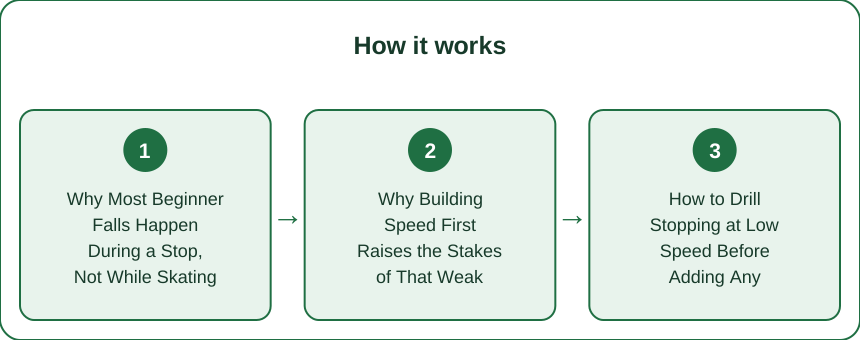
How to Drill Stopping at Low Speed Before Adding Any
The drill: practice-the-t-stop-or-plow-stop-repeatedly-at-a-slow-walking-pace-until-it-feels-automatic-before-intentionally-building-up-any-real-skating-speed (practicing the t-stop or plow-stop technique repeatedly at just a slow walking pace, until stopping feels fully automatic and reliable, before intentionally building up any real skating speed at all, per the skate-fitness-benefits-guide logic — practicing-the-t-stop-or-plow-stop-technique-repeatedly-at-just-a-slow-walking-pace-until-stopping-feels-fully-automatic-and-reliable-before-intentionally-building-up-any-real-skating-speed-at-all), and the frame (mastering the weak point at low stakes before the stakes go up)).
Most beginner roller skating falls happen specifically during an attempted stop rather than during steady forward skating, so adding more speed before that stopping technique is solid just increases the force and distance involved in every future stopping attempt. Practicing a t-stop or plow-stop repeatedly at a slow walking pace until it feels fully automatic, before building up any real speed, masters the actual weak point while the stakes are still low.
Keep Reading
This article is for general informational and styling purposes only. Fit, sizing, and product availability may vary.