Why Learning How to Fall Should Come Before Learning to Roller Skate, Not After
Beginner roller skating lessons often jump straight into balance and gliding, leaving the actual biggest barrier to progress completely unaddressed — the fear of falling, which keeps beginners tense and off-balance in a way that ironically makes falling more likely, not less.
Why Fear of Falling Is the Actual Barrier to Progress for Most Beginner Skaters
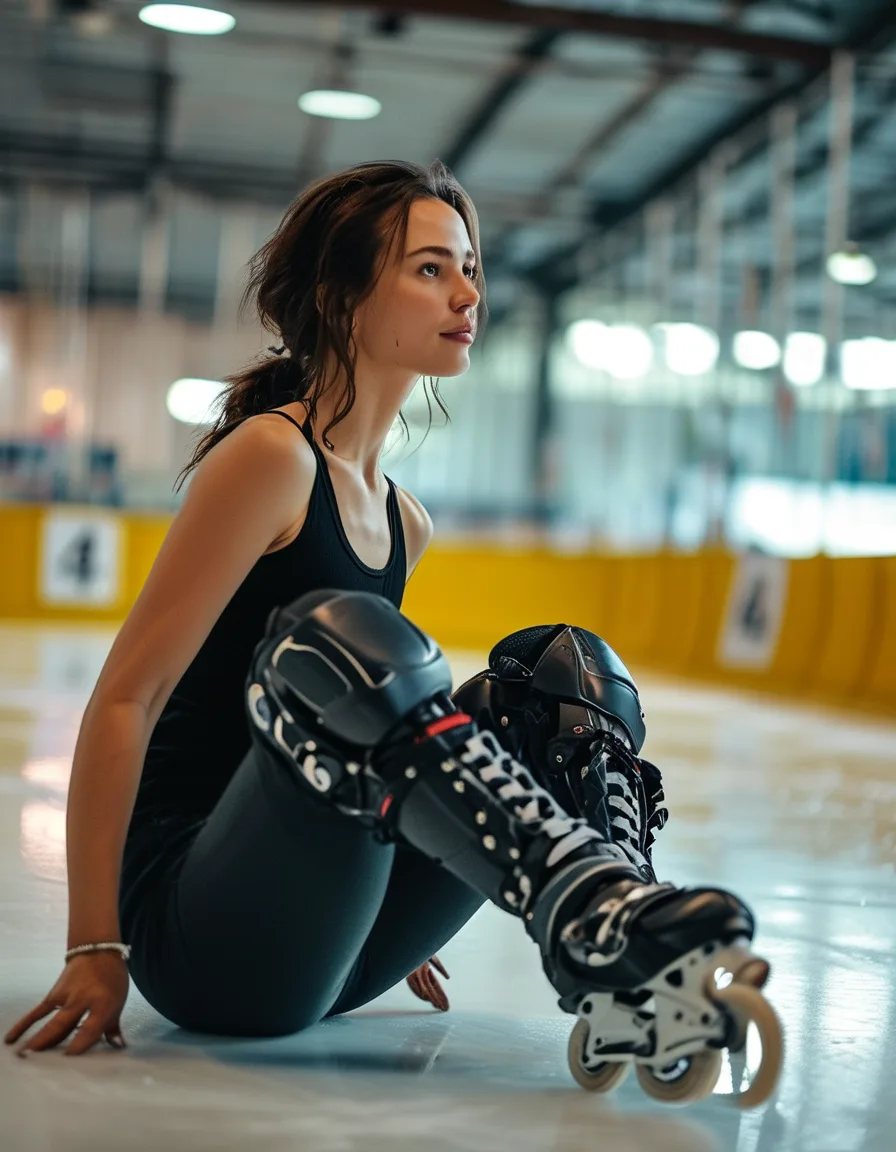
The fear-tension-fall cycle: the fear-creates-muscle-tension-that-impairs-balance (the anxious anticipation of falling physically stiffening the body in a way that actually worsens the balance it’s trying to protect — the fear-stiffens-and-worsens-balance), the the-beginners-skate-tentatively-rather-than-committing-to-the-motion (the hesitant, half-committed movements being less stable than a fully committed one — the tentative-motion-less-stable), the the-not-knowing-how-to-fall-safely-makes-every-wobble-feel-like-a-crisis (the lack of a known safe-fall technique turning every small balance loss into a moment of real fear rather than a minor correction — the every-wobble-feels-like-crisis), and the reframe (fear of falling directly worsening the balance and confidence that prevent falling in the first place — a cycle that skill-first lessons don’t actually interrupt)).
The Specific Falling Technique That Reduces Injury and Fear Together
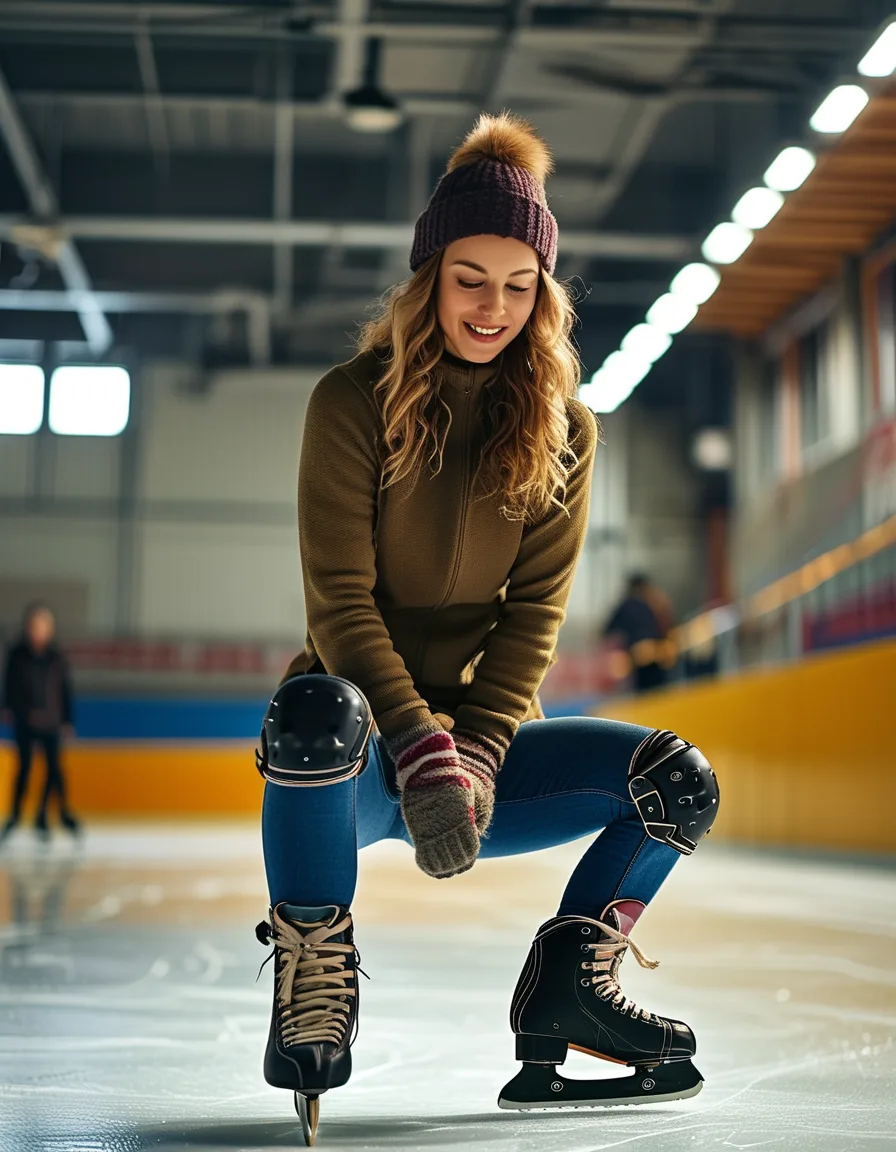
What actually works: the fall-forward-onto-knee-pads-rather-than-backward (the deliberately directing a loss of balance forward onto padded knees rather than backward onto the tailbone or wrists — the forward-onto-pads-technique), the the-tuck-the-chin-and-round-the-back-slightly (the specific body position that distributes impact across padded areas rather than concentrating it on the head or spine — the tuck-and-round-position), the the-practicing-it-deliberately-removes-the-unknown-that-fuels-fear (the doing controlled practice falls specifically to make the motion familiar rather than only ever experiencing an unplanned one — the deliberate-practice-removes-unknown), and the frame (falling forward onto knee pads with a tucked chin, practiced deliberately and repeatedly, turning an unpredictable, feared event into a known, controlled, low-injury motion).
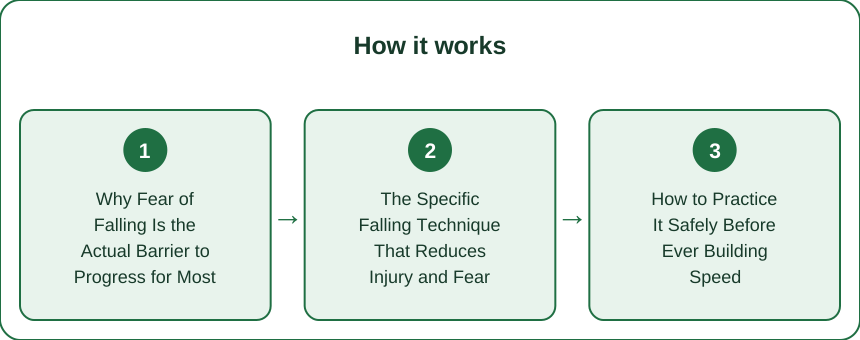
How to Practice It Safely Before Ever Building Speed
The practical progression: the practice-controlled-falls-from-a-stationary-kneeling-position-first (the starting the drill from already-low, already-slow position rather than from standing or moving — the start-from-stationary-kneeling), the the-progress-to-falling-from-a-slow-standing-position-once-comfortable (the adding height and a small amount of motion only after the basic motion feels fully familiar — the progress-to-standing-fall), the the-only-then-begin-actual-gliding-and-balance-work (the sequencing the actual skating skills after the safety net skill is already solid — the falling-skill-before-gliding-skill), and the frame (practicing falls from stationary kneeling, then from standing, and only then beginning gliding and balance — a progression that builds the safety net first so the fear it removes doesn’t get in the way of everything that follows).
Beginner roller skating lessons that jump straight to balance and gliding leave the biggest actual barrier unaddressed: fear of falling creates muscle tension that worsens the very balance it’s trying to protect, and not knowing a safe way to fall turns every small wobble into a moment of real anxiety rather than a minor correction. The technique that reduces both injury and fear is falling forward onto padded knees rather than backward onto the tailbone or wrists, with the chin tucked and back slightly rounded to distribute impact across padded areas, practiced deliberately enough to become familiar rather than only ever experienced by accident. Practice it safely by starting controlled falls from a stationary kneeling position, progressing to falling from a slow standing position once that feels fully comfortable, and only then beginning actual gliding and balance work.
Keep Reading
This article is for general informational and styling purposes only. Fit, sizing, and product availability may vary.